Redesigning the Onboarding Experience for Multi-Brand Scalability
How I contributed to improving a complex onboarding flow while learning to design for scale.
CLIENT
BUDGET
$1.6K
DURATION
4 MONTHS
ROLE
JUNIOR UX/UI DESIGNER
SOFTWARES


Role
Senior UX Designers Product Manager Engineering
Platform & Scope
Mobile\nDesktop & Laptop
Tools & Methods
Figma, Figjam, Maze Usability testing, Card sorting, Journey mapping
Discover
Define
Ideate
Design
Test
CONTEXT
As the platform evolved to support multiple brands, the existing onboarding experience began to show its limits. What had worked for a single brand no longer scaled, creating confusion for users and inefficiencies for internal teams. At the time, I was working as a Junior UX/UI Designer, collaborating closely with senior designers and product stakeholders. This project played a key role in developing my understanding of system thinking, scalability, and research-led design.
THE PROBLEM
When onboarding grows faster than the system behind it
The onboarding flow had been designed for a single brand and gradually adapted to support more. As new brands were added, the experience became:
- Inconsistent across entry points
- Hard to understand for first-time users
- Difficult to maintain and extend internally
Users struggled to understand:
- What the product offered
- How different brands fit into the experience
- What steps were required to get started
This resulted in early drop-off and increased support needs.
THE DESIGN CHALLENGE
How might we simplify the onboarding experience while supporting multiple brands — without redesigning the entire platform from scratch?
Design within an existing system
Contribute ideas while respecting senior guidance
Balance user needs with technical constraints
RESEARCH & DISCOVERY
Learning from users, data, and the team
Research and discovery were led by senior designers, and I actively contributed by supporting analysis and synthesis.
My contributions included:
- Assisting with user interview preparation and note-taking
- Analysing usability testing results
- Mapping onboarding flows and identifying inconsistencies
- Reviewing analytics related to drop-off and completion
Key insights we uncovered
- Users felt overwhelmed early in the flow
- Brand differences were unclear and poorly contextualised
- Too many decisions were required too soon
DESIGN CONTRIBUTIONS
Supporting system thinking and consistency
Working closely with senior designers, I contributed to:
- Exploring simplified onboarding structures
- Iterating on wireframes and interaction patterns
- Competitive benchmarking
- Aligning flows across brands
- Ensuring components followed system guidelines
TESTING & VALIDATION
User testing was conducted across multiple iterations. I supported the process by:
- Preparing prototypes for testing
- Observing sessions and capturing insights
- Iterating designs based on feedback
This iterative process helped improve:
- Onboarding completion rates
- User confidence in early steps
- Overall clarity of the experience
FINAL SOLUTION
A more consistent and scalable onboarding experience
The final onboarding experience:
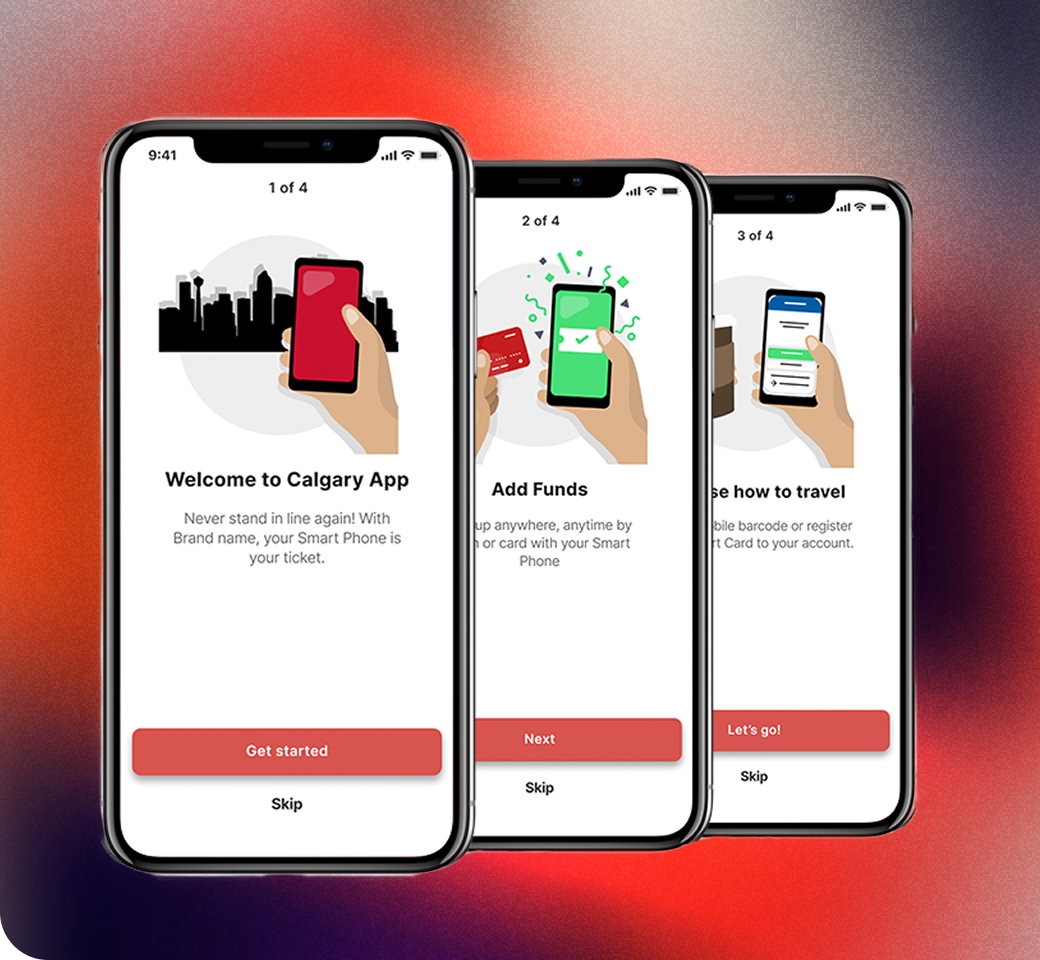
- Provided clearer guidance in early steps
- Reduced unnecessary decisions
- Supported multiple brands through a unified structure
While senior designers led final decisions, contributing to this solution helped me develop a stronger understanding of designing for scale.
KEY LEARNINGS
What I learned
01
How onboarding impacts long-term product success
02
The importance of system thinking in multi-brand platforms
03
How to collaborate effectively with senior designers
What I'd do differently now
01
Ask more questions earlier
02
Push for testing sooner with lower-fidelity concepts
03
Think more proactively about future scalability
FINAL REFLECTION
This project marked a turning point in my growth as a designer. It taught me how complex systems shape user experience — and how thoughtful design can simplify them.